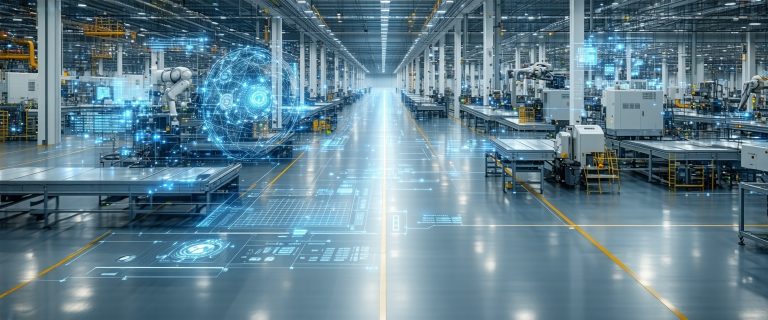


Unlock Data's Potential

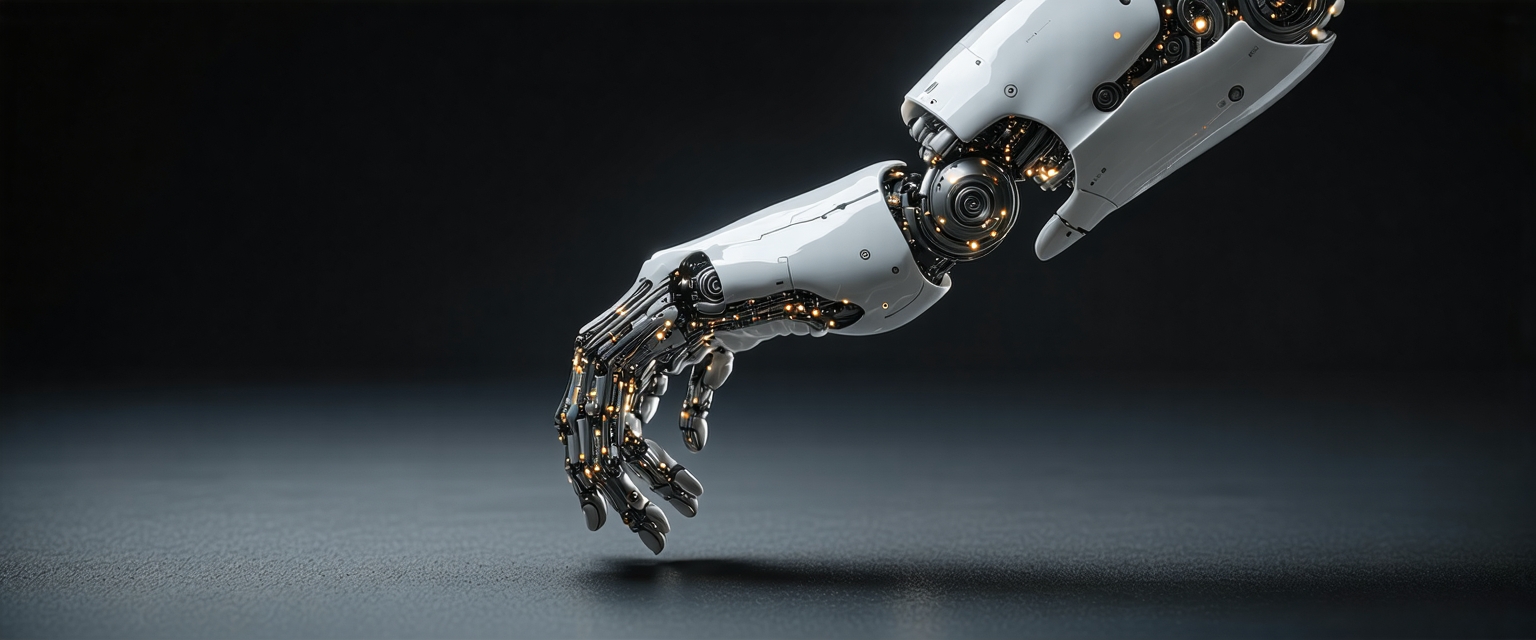
“`html
The field of robotics is experiencing explosive growth, driven by advancements in artificial intelligence, sensor technology, and computing power. This evolution is reshaping industries, raising ethical concerns, and prompting a reconsideration of the future of work. This feature explores the current state of robotics, examining its development, potential impacts, and the challenges ahead.
The foundations of modern robotics were laid in the mid-20th century with the development of early industrial robots for tasks like welding and painting. These early systems were largely programmed for repetitive actions. However, recent breakthroughs in AI, particularly deep learning and computer vision, have enabled the creation of far more sophisticated and adaptable robots.
The decreasing cost of sensors, microprocessors, and actuators has also been a critical factor, making robotics accessible to a wider range of applications and industries. This convergence of technological advancements has propelled the field forward at an unprecedented rate.
Today, we’re seeing the emergence of collaborative robots (“cobots”) designed to work alongside humans in shared workspaces. These robots are equipped with advanced safety features and sensors to prevent accidents. Another significant trend is the rise of autonomous mobile robots (AMRs) used in warehouses, hospitals, and other environments for tasks such as material handling and delivery.
Furthermore, advancements in soft robotics are opening up new possibilities for applications requiring delicate manipulation or interaction with humans, such as surgery and search and rescue operations. The integration of AI is enabling robots to learn from experience, adapt to changing environments, and perform increasingly complex tasks.
According to a report by the International Federation of Robotics (IFR), global robot installations are expected to continue growing significantly in the coming years. The IFR projects a substantial increase in industrial robot deployment across various sectors, driven by automation needs and increasing labor costs. (Source: International Federation of Robotics)
Dr. Anya Petrova, a leading robotics researcher at MIT, highlights the growing importance of ethical considerations in robotics development, particularly concerning job displacement and algorithmic bias. (Source: Personal Communication)
The widespread adoption of robotics presents both significant opportunities and potential risks. On the opportunity side, robots can improve productivity, enhance safety in hazardous environments, and enable the creation of new products and services. However, concerns remain regarding job displacement, the potential for misuse, and the need for robust safety regulations.
The future of robotics likely involves greater integration with AI, leading to even more intelligent and autonomous systems. We can expect to see robots playing increasingly important roles in healthcare, manufacturing, logistics, and many other sectors. Addressing the ethical and societal challenges associated with this rapid advancement is crucial for realizing the full potential of robotics while mitigating potential risks.
“`