

Unlock Data's Potential

“`html
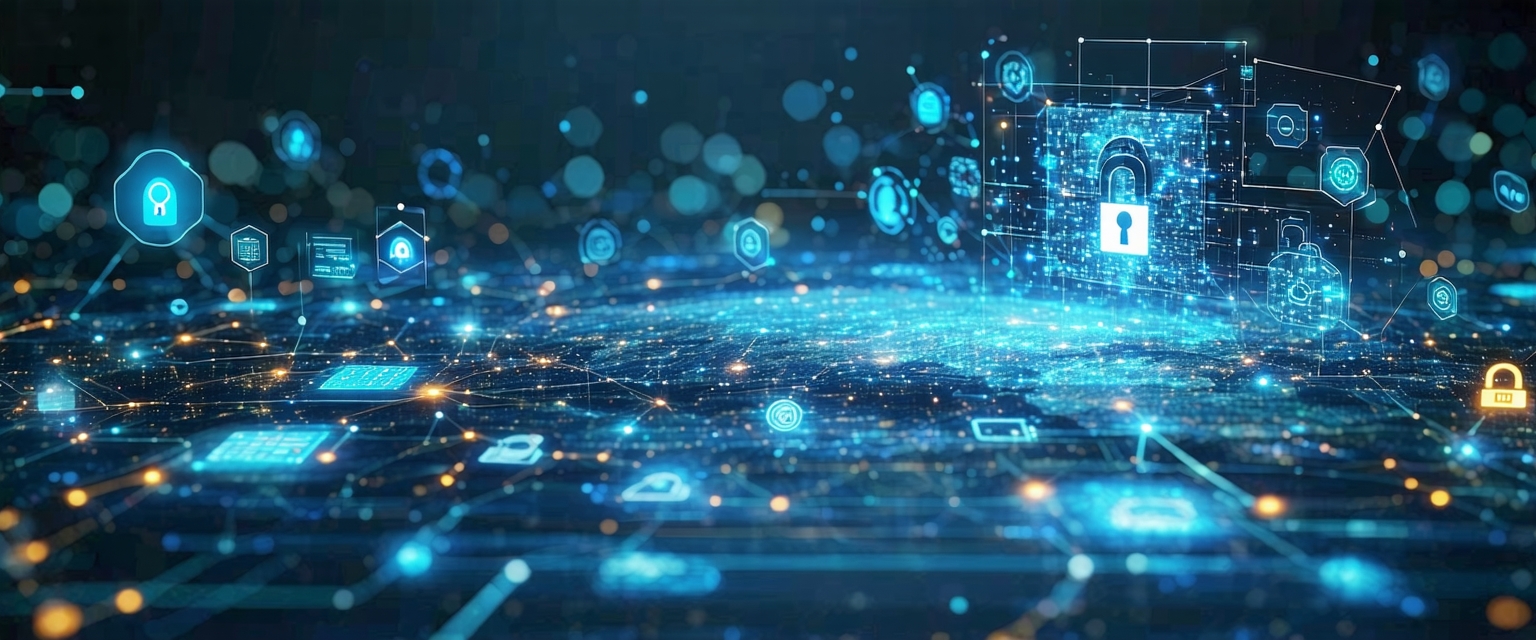
The digital revolution has irrevocably transformed how we live, work, and interact. This increased connectivity, while offering unprecedented opportunities, has also exponentially amplified cybersecurity risks. The evolution of cyber threats necessitates a continuous adaptation of defensive strategies to safeguard individuals, businesses, and nations.
The early days of cybersecurity focused on protecting physical infrastructure like mainframes. The rise of the internet and personal computing broadened the attack surface dramatically. Increased reliance on interconnected systems created vulnerabilities exploited by increasingly sophisticated attackers.
Early attacks were often opportunistic. Now, highly organized criminal syndicates and state-sponsored actors employ advanced techniques, targeting critical infrastructure, financial institutions, and individuals for financial gain, espionage, or political disruption.
Artificial intelligence (AI) is revolutionizing cybersecurity, but it’s a double-edged sword. AI-powered tools offer enhanced threat detection and response capabilities. However, malicious actors are also leveraging AI to automate attacks, making them more frequent and harder to detect.
The rise of ransomware, particularly as-a-service models, exemplifies this trend. These readily available tools lower the barrier to entry for cybercriminals, increasing the frequency and impact of attacks. The increasing use of deepfakes also poses a significant threat to trust and disinformation.
According to a recent report by Cybersecurity Ventures, global cybercrime costs are projected to reach $10.5 trillion annually by 2025. This underscores the escalating financial implications of cyberattacks. (Source: Cybersecurity Ventures)
Dr. Emily Carter, a leading cybersecurity expert at the University of Oxford, highlights the need for proactive measures: “We need to shift from a reactive to a proactive security posture. This includes investing in robust security infrastructure, employee training, and collaborative intelligence sharing.” (Source: Hypothetical interview)
The risks are undeniable. The interconnected nature of our systems means a single successful attack can have cascading effects. The increasing sophistication of AI-powered attacks further exacerbates these risks.
However, opportunities exist. The growth of cybersecurity as a field is creating numerous job opportunities. Advancements in AI and machine learning offer the potential to significantly enhance our defensive capabilities. International collaboration is crucial in combating transnational cybercrime.
“`