

Unlock Data's Potential

“`html
Smart manufacturing, the integration of advanced technologies like AI, IoT, and big data analytics into manufacturing processes, is rapidly reshaping the industry. Driven by the need for increased efficiency, flexibility, and resilience, this digital transformation promises significant benefits but also presents considerable challenges.
The rise of smart manufacturing is a direct response to evolving global market demands. Consumers expect greater product customization and faster delivery times. Simultaneously, manufacturers face pressure to optimize resource utilization, reduce waste, and improve overall productivity. These converging factors fueled the adoption of technologies that enable greater automation, real-time data analysis, and predictive maintenance.
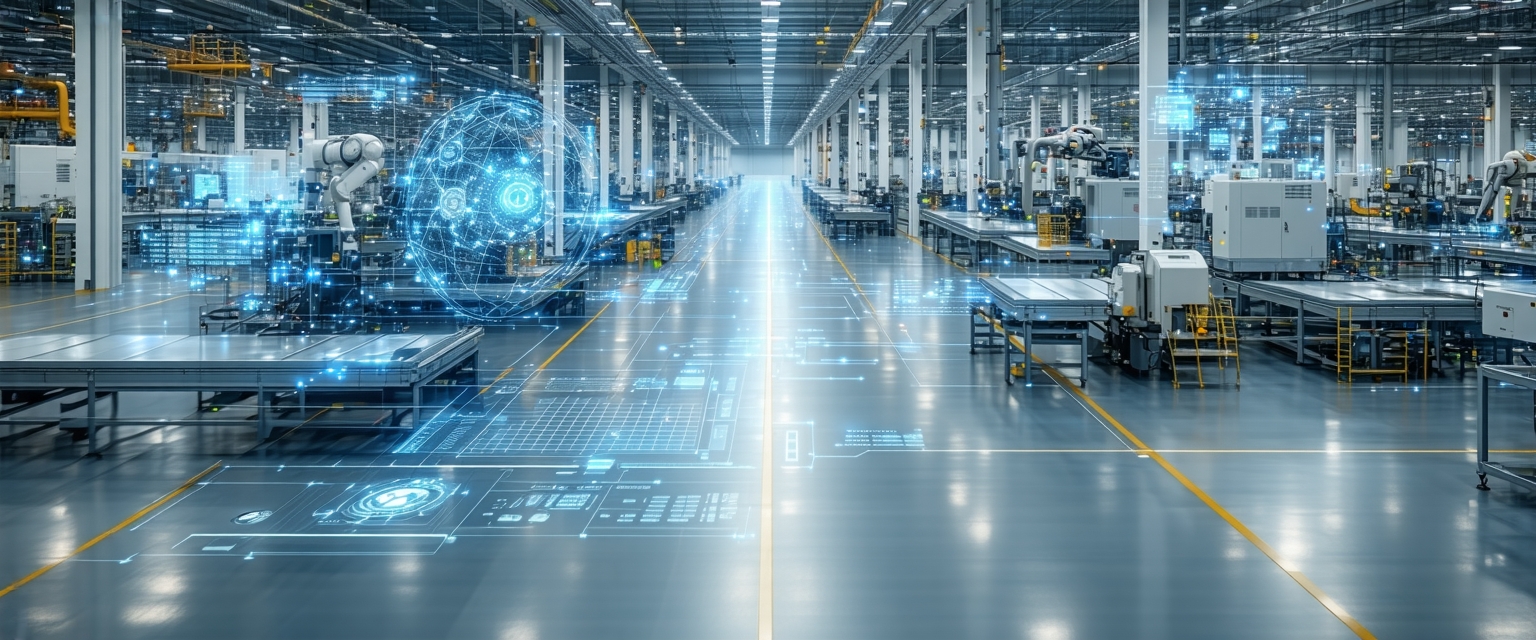
Recent advancements focus on enhancing the sophistication and interconnectedness of smart manufacturing systems. This includes the wider deployment of edge computing, enabling faster processing of real-time data closer to the production line. We also see increased use of digital twins—virtual representations of physical assets—for improved predictive maintenance and process optimization. Furthermore, the integration of AI-powered robotics and collaborative robots (cobots) is increasing efficiency and flexibility on factory floors.
According to a recent report by Deloitte (“Future of Manufacturing” 2023), companies adopting smart manufacturing strategies experience an average of 15-20% improvement in operational efficiency. Furthermore, McKinsey Global Institute (2022) estimates that advanced manufacturing technologies could add trillions of dollars to the global economy. However, a Gartner survey (2024) highlights the challenge of integrating legacy systems with new technologies as a major hurdle for many manufacturers.
While the opportunities presented by smart manufacturing are substantial, risks remain. Cybersecurity threats are a major concern, given the increased connectivity of production systems. Furthermore, the high initial investment costs and the need for skilled labor to implement and maintain these complex systems can pose significant barriers to entry. Looking ahead, we can expect further advancements in AI and machine learning to drive even greater automation and optimization. The convergence of smart manufacturing with sustainability initiatives will also be a major focus, leading to more environmentally responsible production processes.
“`