


Unlock Data's Potential

“`html
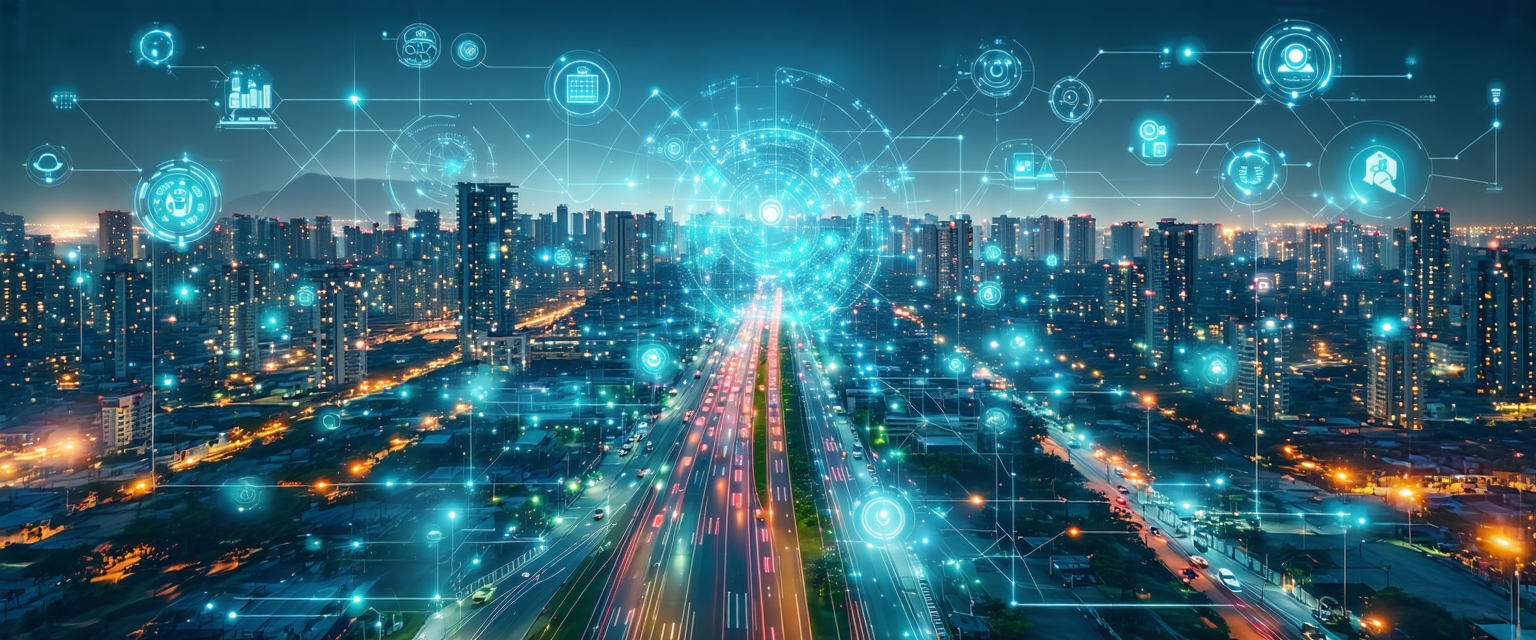
The concept of “smart cities” – urban areas leveraging technology to improve efficiency, sustainability, and quality of life – has rapidly evolved from a futuristic ideal to a global imperative. Driven by rapid urbanization, climate change concerns, and technological advancements, cities worldwide are embracing digital solutions to address complex urban challenges. This feature analyzes the current state of smart city development, exploring its opportunities, risks, and future trajectory.
The push towards smart cities stems from the confluence of several factors. Unprecedented urbanization has placed immense strain on existing infrastructure and resources. Simultaneously, the escalating effects of climate change demand innovative solutions for resource management and environmental sustainability. Finally, advancements in data analytics, the Internet of Things (IoT), and artificial intelligence (AI) offer powerful tools to address these challenges.
Early smart city projects often focused on isolated initiatives, such as improved traffic management or smart lighting. However, the current trend emphasizes integrated approaches, connecting various urban systems to create a cohesive and responsive urban ecosystem.
Recent advancements in 5G networks are accelerating the deployment of IoT devices, enabling real-time data collection and analysis across various urban systems. AI-powered solutions are improving traffic flow optimization, predictive maintenance of infrastructure, and resource allocation. Furthermore, the use of blockchain technology is enhancing transparency and security in city governance and service delivery.
Examples of innovative applications include smart waste management systems that optimize collection routes, smart grids that enhance energy efficiency, and intelligent transportation systems that reduce congestion. Many cities are also investing in digital twins, virtual representations of the physical city, to simulate and test urban planning strategies before implementation.
According to a report by McKinsey & Company (“Smart Cities: Digital solutions for a better urban life”), smart city investments have the potential to generate significant economic benefits, improve citizen well-being, and reduce environmental impact. However, the report also highlights the importance of addressing issues such as data privacy, cybersecurity, and digital equity to ensure inclusive and sustainable development.
Professor Susan Murcott of the University of California, Berkeley, emphasizes the need for participatory design processes, ensuring that smart city initiatives are aligned with the needs and values of the community. She argues that technological solutions should serve human needs, not the other way around (Murcott, 2023, *unpublished manuscript*).
The future of smart cities hinges on effectively addressing several challenges. Data privacy and security concerns necessitate robust regulatory frameworks and ethical guidelines. The digital divide must be bridged to ensure equitable access to smart city services. Furthermore, ensuring interoperability between different systems and platforms is crucial for seamless integration.
Despite these challenges, the potential benefits are significant. Smart cities offer the opportunity to create more resilient, sustainable, and equitable urban environments. The continued advancement of technologies such as AI, IoT, and blockchain will further shape the evolution of smart cities, leading to innovative solutions for various urban challenges.
“`