

Unlock Data's Potential

“`html
Biotechnology, the application of biological systems and organisms to develop or make products, has evolved from a niche scientific field to a transformative force across various sectors. Driven by advancements in genomics, synthetic biology, and artificial intelligence, it promises solutions to pressing global challenges. However, its rapid progress necessitates careful consideration of ethical implications and equitable access to its benefits.
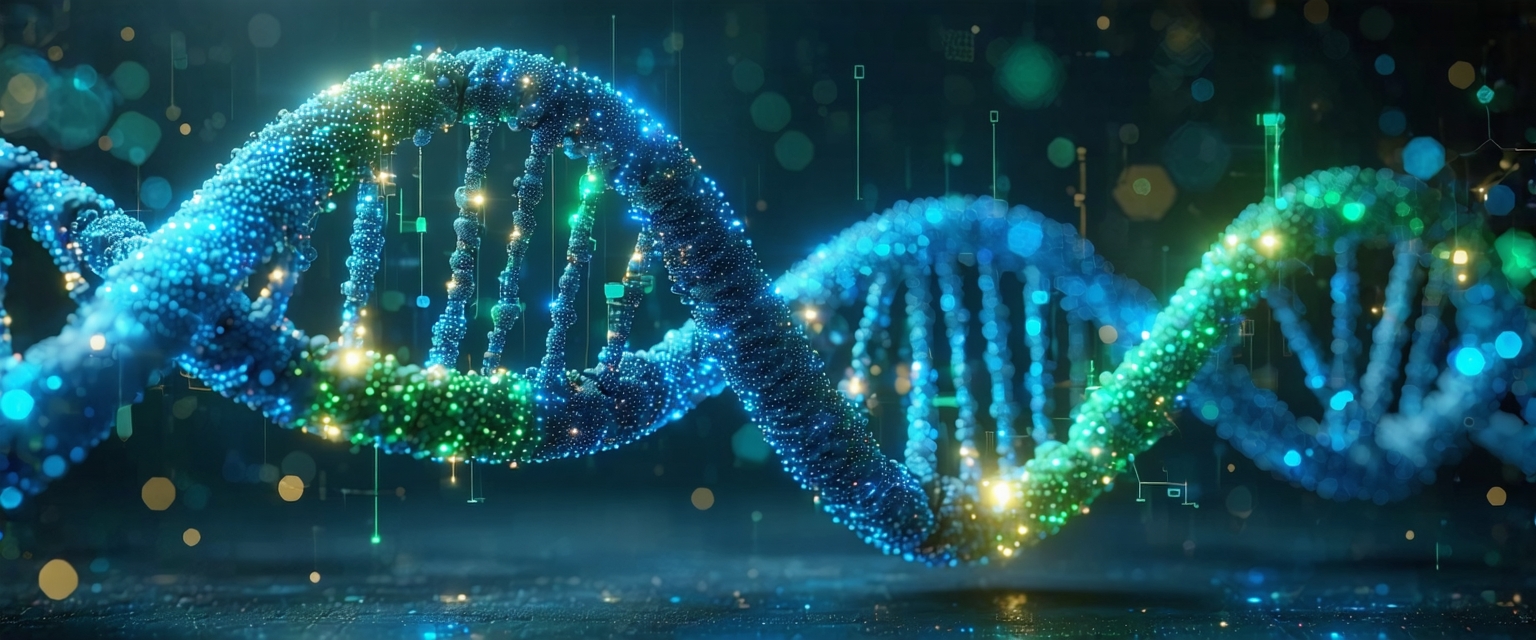
The foundations of modern biotechnology were laid in the mid-20th century with discoveries like the structure of DNA and the development of recombinant DNA technology. Early applications focused on pharmaceuticals and agriculture. The Human Genome Project, completed in 2003, marked a turning point, providing a blueprint for understanding human biology and disease.
Recent advancements are pushing the boundaries of biotechnology. CRISPR-Cas9 gene editing technology allows for precise modification of DNA, opening avenues for treating genetic diseases and developing disease-resistant crops. Artificial intelligence and machine learning are accelerating drug discovery and development, significantly reducing timelines and costs. Synthetic biology is enabling the design and construction of new biological parts, devices, and systems with applications in medicine, energy, and materials science.
Dr. Jennifer Doudna, a pioneer in CRISPR technology, emphasizes the importance of responsible innovation and ethical guidelines to mitigate potential risks. A report by the McKinsey Global Institute highlights the significant economic potential of biotechnology, forecasting substantial growth in various sectors. (Source: McKinsey Global Institute, 2023 Biotechnology Report). The World Health Organization (WHO) is actively involved in developing guidelines for the ethical use of new biotechnology tools, particularly in healthcare.
The rapid advancement of biotechnology presents both immense opportunities and significant risks. Potential benefits include new treatments for diseases, improved food security, and sustainable solutions for environmental challenges. However, concerns exist regarding equitable access to these technologies, unintended environmental consequences, and ethical dilemmas surrounding gene editing and synthetic biology. Regulatory frameworks and public discourse are crucial to navigate these complexities.
“`