

Unlock Data's Potential

“`html
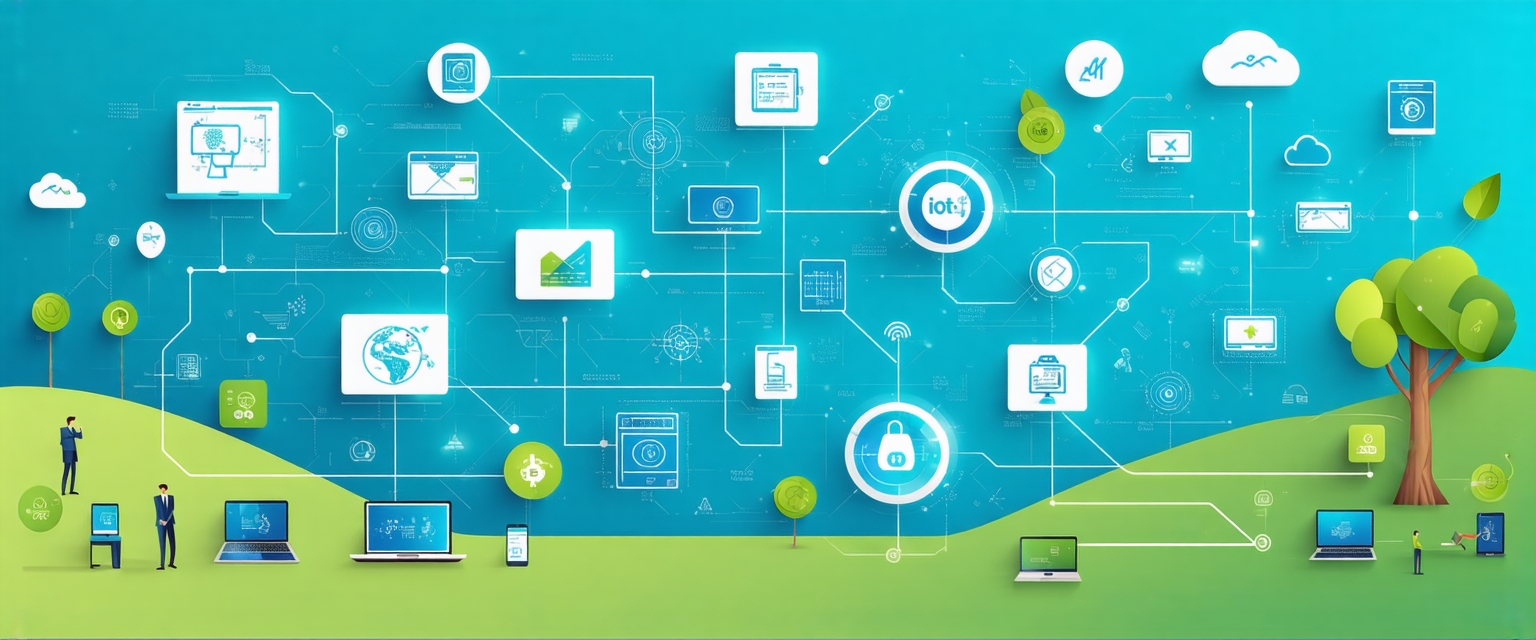
The Internet of Things (IoT), the network of interconnected physical objects embedded with sensors, software, and other technologies for the purpose of exchanging data with other devices and systems over the internet, has rapidly evolved from a futuristic concept to a ubiquitous reality. Its growth stems from converging technological advancements in computing, networking, and sensor technology, creating a landscape ripe with potential and challenge.
The seeds of IoT were sown in the 1980s with the emergence of networked computing and the rise of the internet. However, limitations in computing power, battery life, and network bandwidth initially hindered widespread adoption. The proliferation of low-power wide-area networks (LPWANs) like LoRaWAN and Sigfox, coupled with the decline in the cost of sensors and microcontrollers, fuelled the explosive growth of IoT in the 2010s.
Early applications focused on simple remote monitoring, but the technology has since expanded dramatically. This expansion has been driven by increased data processing capacity, improved security protocols, and the development of sophisticated analytics platforms.
Current trends in IoT include the rise of edge computing, enabling faster data processing and reduced latency. Artificial intelligence (AI) and machine learning (ML) are increasingly integrated into IoT devices, enabling more intelligent decision-making and automation. The convergence of IoT and 5G is also paving the way for higher bandwidth and lower latency applications, particularly in areas like autonomous vehicles and industrial automation.
The development of standardized communication protocols and security measures are also crucial areas of focus. This is to ensure interoperability and secure data transfer between diverse devices and platforms.
According to Gartner (source: Gartner’s Hype Cycle for Emerging Technologies), IoT is reaching a plateau of productivity, indicating that the technology is maturing and delivering tangible value across various industries. IDC (source: IDC’s Worldwide Internet of Things Spending Guide) forecasts continued strong growth in IoT spending, driven by increasing adoption in manufacturing, transportation, and healthcare sectors. However, concerns remain regarding data privacy, security, and ethical implications, as highlighted in various reports from organizations like the National Institute of Standards and Technology (NIST).
The future of IoT holds immense opportunities. Improved connectivity, enhanced data analytics, and the integration of AI will unlock new efficiencies and drive innovation across diverse sectors. However, significant challenges remain. Robust cybersecurity measures are crucial to mitigate the risks of data breaches and cyberattacks. Addressing ethical concerns around data privacy and algorithmic bias is also paramount. Addressing interoperability issues through standardized protocols will be crucial for broader adoption.
The next phase of IoT development will likely focus on the creation of more sophisticated and interconnected systems. The development of self-organizing networks and decentralized architectures could lead to greater resilience and efficiency. Sustainable IoT solutions and responsible data management will become increasingly critical.
“`