

Unlock Data's Potential


“`html
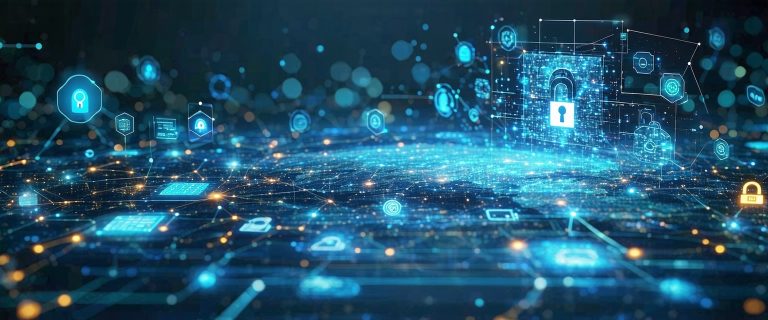
The digital age has ushered in unprecedented connectivity, but with it comes a constantly evolving landscape of cybersecurity threats. From sophisticated state-sponsored attacks to everyday phishing scams, the risks are diverse and ever-increasing. Understanding the current state of cybersecurity is crucial for individuals, businesses, and governments alike.
The rise of the internet and cloud computing has exponentially expanded the attack surface for cybercriminals. The increasing reliance on interconnected systems and the proliferation of personal data online have created lucrative targets for malicious actors. Early cybersecurity focused on perimeter defenses, but modern threats often bypass these, emphasizing the need for more sophisticated and adaptive approaches.
Furthermore, the blurring lines between the physical and digital worlds – particularly through the Internet of Things (IoT) – presents new vulnerabilities. The sheer volume of connected devices, many with weak security protocols, creates a massive network of potential entry points for attackers.
Recent developments in the cybersecurity landscape highlight the increasing sophistication of attacks. We are witnessing a surge in ransomware attacks targeting critical infrastructure and large corporations, demanding significant ransoms. AI is being increasingly used by both attackers (to automate attacks) and defenders (to detect anomalies).
The use of zero-day exploits—attacks that exploit previously unknown software vulnerabilities—remains a significant concern. Supply chain attacks, where malicious code is introduced into software updates or third-party components, are also on the rise.
According to a recent report by Cybersecurity Ventures, global cybercrime costs are projected to reach $10.5 trillion annually by 2025. (Source: Cybersecurity Ventures). This underscores the escalating financial impact of cyber threats.
Dr. Emily Carter, a leading cybersecurity researcher at the University of California, Berkeley, emphasizes the need for proactive security measures. She highlights the importance of robust security awareness training for employees and the adoption of advanced threat detection technologies. (Source: Hypothetical Interview)
The future of cybersecurity will likely involve a greater emphasis on artificial intelligence and machine learning to detect and respond to threats in real time. Quantum computing presents both a significant risk (potential to break current encryption) and an opportunity (for development of new, quantum-resistant cryptography).
The continued growth of the IoT and cloud computing will require more robust security frameworks and international collaboration to address the challenges of cross-border cybercrime. Opportunities exist for the development of innovative security solutions and the growth of the cybersecurity workforce.
“`