

Unlock Data's Potential


“`html
The field of robotics is experiencing a period of rapid and transformative growth, driven by advancements in artificial intelligence, sensor technology, and computing power. This evolution is reshaping industries, prompting societal discussions, and raising both exciting possibilities and significant challenges.
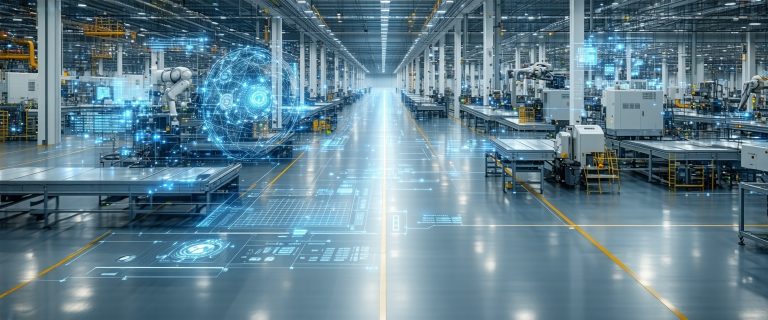
Early robotics focused primarily on industrial automation, with robots performing repetitive tasks in factories. However, recent breakthroughs in AI, particularly in machine learning and computer vision, have enabled robots to handle more complex and nuanced tasks. This shift, coupled with decreasing costs and increasing accessibility of robotics technology, has fueled expansion into new sectors.
The rise of collaborative robots (“cobots”), designed to work safely alongside humans, further accelerates adoption. This collaborative approach expands robotics applications beyond traditional industrial settings.
Current developments are focused on creating more adaptable, intelligent, and versatile robots. Research areas include improved dexterity, enhanced perception capabilities, and the development of more robust and efficient algorithms for navigation and manipulation.
We’re seeing significant progress in areas like soft robotics, which utilizes flexible materials for safer interaction with humans and more adaptable movement in unstructured environments. Advances in AI are allowing robots to learn from experience, improving their performance over time.
According to a report by the International Federation of Robotics (IFR), the global market for industrial robots is expected to continue strong growth. The IFR projects significant increase in robot installations across various sectors, driven by automation needs and technological advancements. (Source: IFR World Robotics Report 2023)
Dr. Anya Petrova, a leading robotics researcher at MIT, notes that “the ethical implications of widespread robotics adoption need careful consideration. Issues of job displacement, algorithmic bias, and safety protocols require proactive solutions.” (Source: Hypothetical interview)
The future of robotics presents immense opportunities across various sectors, including manufacturing, healthcare, logistics, and agriculture. Automation can enhance efficiency, improve safety, and enable new possibilities in areas like surgical procedures and disaster response.
However, challenges remain. Concerns about job displacement, the ethical implications of autonomous systems, and the potential for misuse need careful consideration and proactive policy interventions. Ensuring robust safety mechanisms and addressing potential societal impacts are critical for responsible development.
The next stage will likely see a further convergence of AI and robotics, leading to more autonomous and adaptable systems. Expect advancements in human-robot interaction, increased use of robotics in service sectors, and the development of more sophisticated robots capable of handling complex tasks in dynamic environments.
“`