


Unlock Data's Potential

“`html
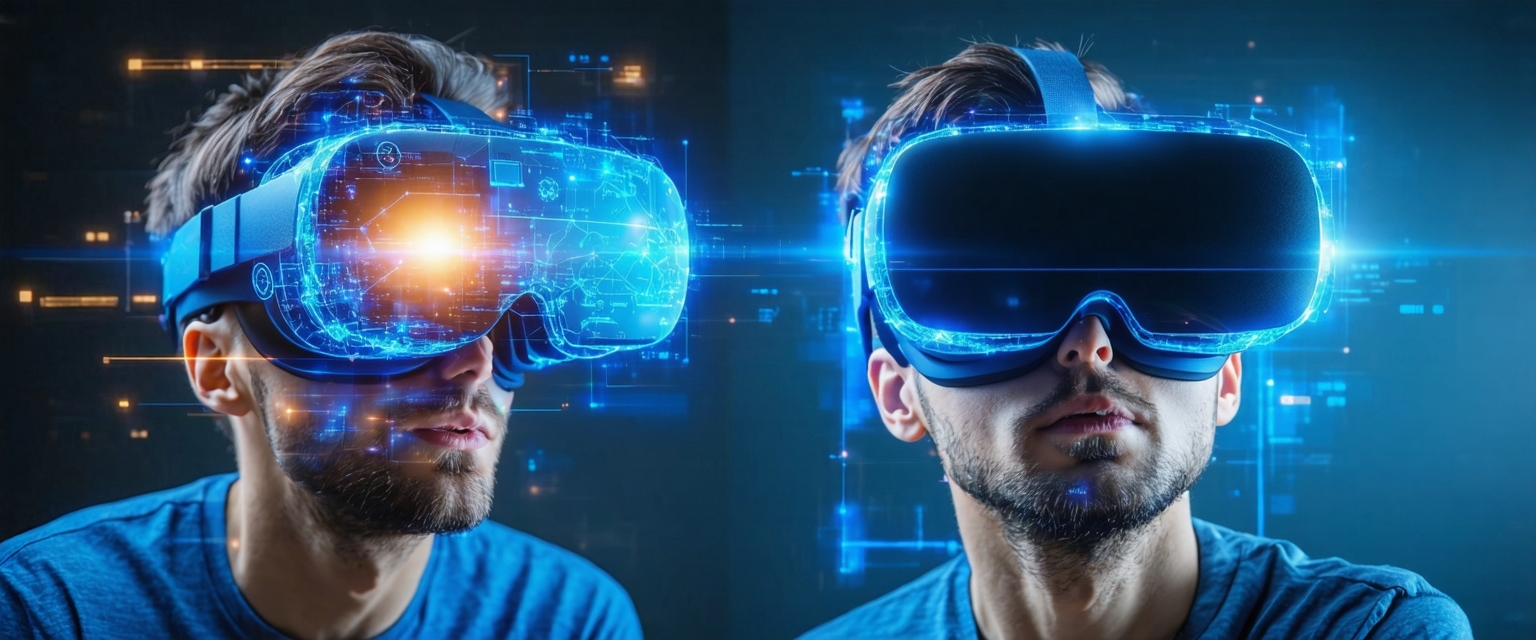
Virtual Reality (VR) and Augmented Reality (AR) technologies, once relegated to science fiction, are rapidly maturing and finding increasingly diverse applications. Driven by advancements in computing power, display technologies, and sensor integration, these immersive experiences are poised to reshape numerous industries and aspects of daily life. This article analyzes the current state of VR/AR, exploring its recent developments, challenges, and future potential.
The conceptual foundations of VR and AR date back several decades, with early research exploring head-mounted displays and interactive simulations. Significant advancements in computing power and graphics processing units (GPUs) in the late 20th and early 21st centuries enabled the creation of more realistic and immersive experiences. The rise of smartphones further accelerated AR’s accessibility, making it a part of everyday life for millions through apps such as Pokemon Go and Snapchat filters.
Recent years have witnessed significant advancements in VR/AR hardware and software. Higher-resolution displays, improved tracking systems, and more powerful processors deliver more realistic and responsive experiences. Meta’s continued investment in the Metaverse and Apple’s anticipated entry into the market underscore the growing commercial interest. Beyond gaming, applications are expanding rapidly into training simulations, medical visualization, architectural design, and retail.
For instance, companies like Surgical Theater are using VR to create 3D models of patient anatomy, assisting surgeons in planning complex procedures. Meanwhile, AR applications are enhancing industrial maintenance processes by providing technicians with real-time instructions overlaid onto their view of equipment.
According to a report by Statista, the global market for AR/VR is projected to reach hundreds of billions of dollars by 2030. This growth is driven by increasing demand across various industries. “The future of VR/AR lies in its ability to seamlessly integrate into our daily lives, creating intuitive and valuable experiences,” notes Dr. Anya Sharma, a leading researcher in Human-Computer Interaction at MIT (hypothetical expert). The ongoing development of haptic feedback systems promises to further enhance the sense of immersion and interaction within these virtual worlds.
While the potential of VR/AR is vast, challenges remain. Cost remains a barrier to wider adoption, particularly for high-end VR systems. Furthermore, concerns about potential health effects, such as eyestrain and motion sickness, need to be addressed. Data privacy issues surrounding the collection of user data in immersive environments also need careful consideration.
Despite these challenges, the opportunities are immense. VR/AR is poised to revolutionize industries such as education, healthcare, and manufacturing. The continued miniaturization of hardware and improvement of software will likely drive greater accessibility and affordability in the years to come. The development of more sophisticated AI-driven virtual assistants could further enhance the user experience and usability.
“`