

Unlock Data's Potential

“`html
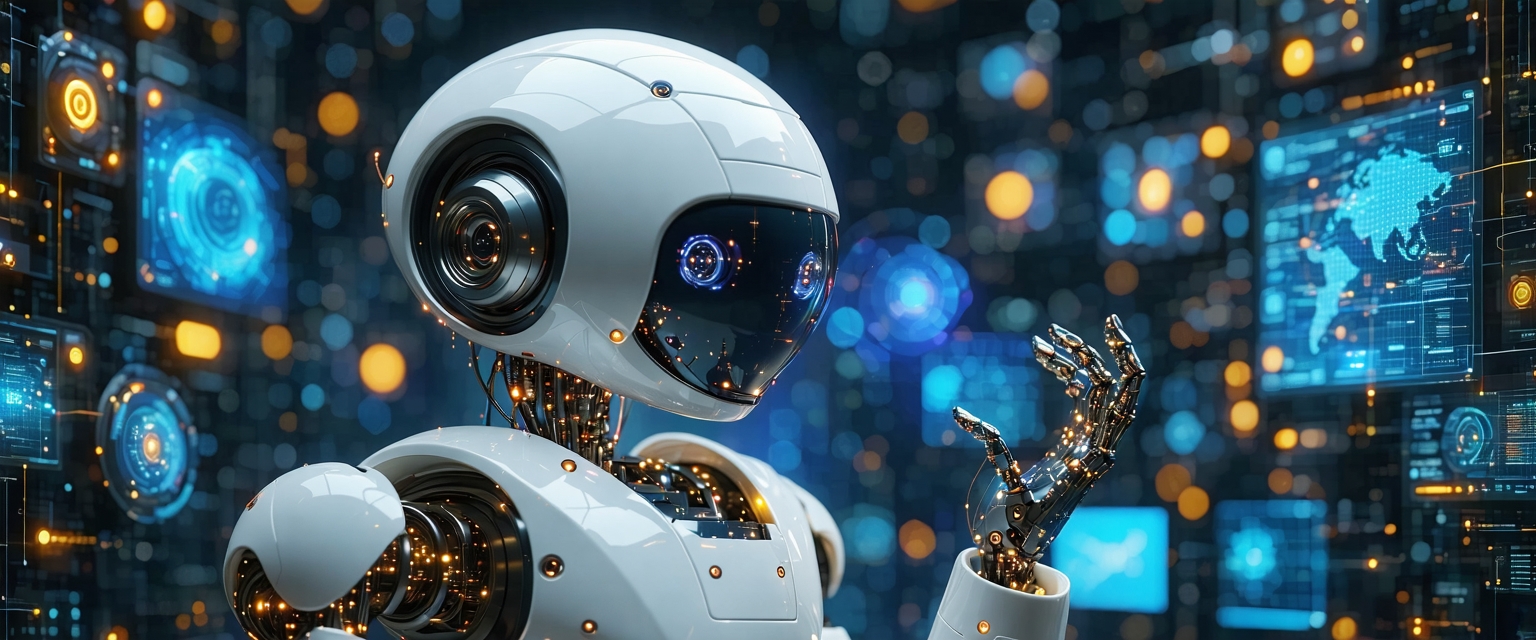
The field of robotics is experiencing an unprecedented surge in innovation, driven by advancements in artificial intelligence (AI), sensor technology, and computing power. This rapid evolution is transforming industries, raising profound questions about the future of work, and presenting both immense opportunities and significant challenges.
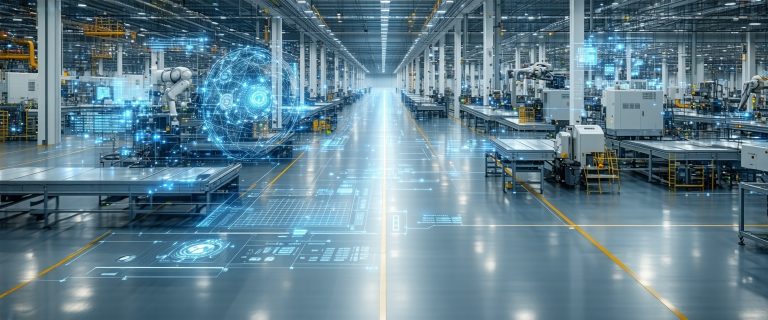
Early robotic systems were primarily programmable machines performing repetitive tasks in industrial settings. The development of AI, particularly machine learning and deep learning, has been instrumental in enabling robots to adapt to dynamic environments and perform more complex operations.
The decreasing cost of components and the increasing availability of open-source software have further fueled the growth of the robotics industry, making it accessible to a wider range of developers and applications.
We’re witnessing a shift from rigid, pre-programmed industrial robots to more agile, collaborative robots (cobots) designed to work safely alongside humans. Advances in computer vision allow robots to perceive and interact with their surroundings more effectively.
The development of soft robotics, using flexible materials, opens up new possibilities for applications in healthcare, search and rescue, and other delicate tasks. Simultaneously, the increasing sophistication of AI algorithms continues to expand the capabilities of robots in areas like autonomous navigation and object manipulation.
According to a report by the International Federation of Robotics (IFR), the global market for industrial robots reached record levels in 2021. This growth is expected to continue, fueled by the increasing demand for automation across various sectors.
Professor Rodney Brooks, a pioneer in the field of robotics, emphasizes the importance of developing robots that are robust and adaptable to unforeseen circumstances. “We need robots that can handle uncertainty and make intelligent decisions in complex environments,” he stated in an interview with MIT Technology Review.
The widespread adoption of robotics presents significant opportunities for increased productivity, improved safety, and economic growth. However, concerns remain about the potential displacement of human workers and the ethical implications of autonomous systems.
Future developments will likely focus on improving robot dexterity, enhancing human-robot interaction, and addressing the ethical challenges posed by increasingly autonomous systems. Research into explainable AI and safe AI will be crucial for ensuring responsible development and deployment.
“`