

Unlock Data's Potential

“`html
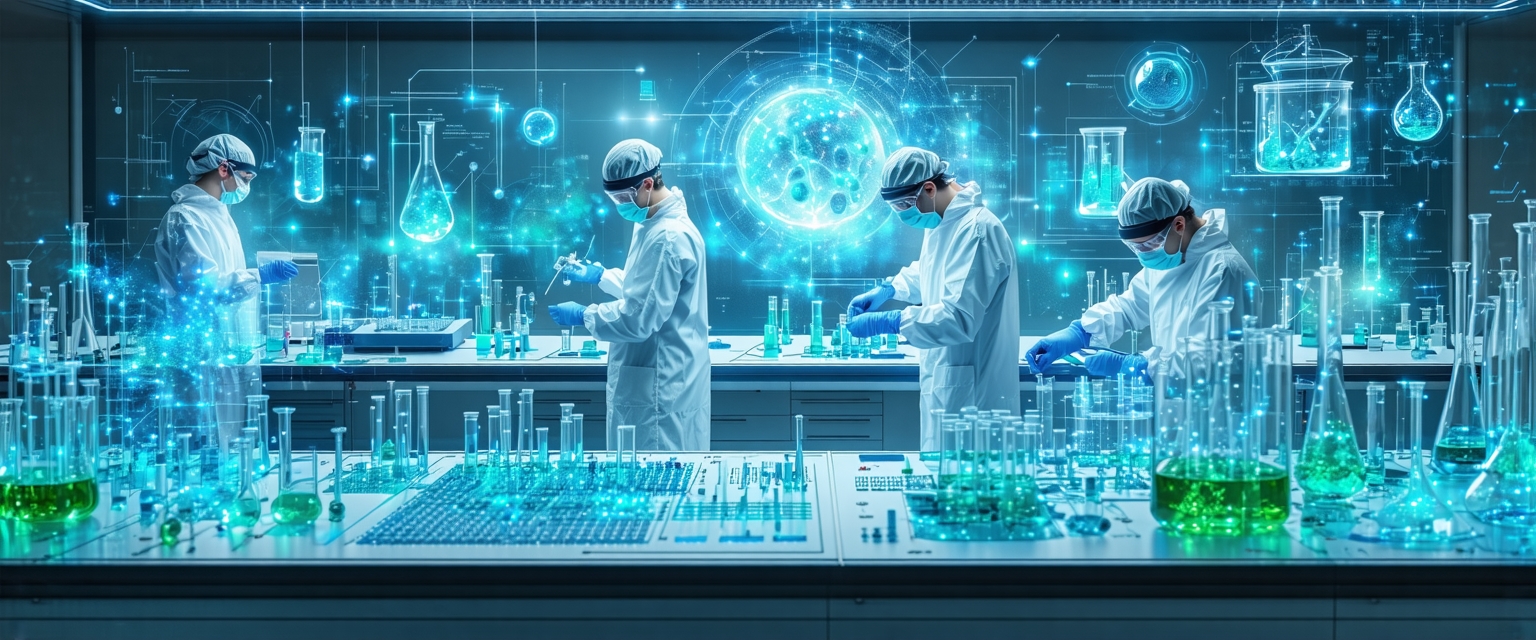
Biotechnology, the application of biological systems and organisms to develop or make products, has undergone a dramatic transformation in recent decades. Driven by advancements in genomics, molecular biology, and computational power, it is now poised to reshape numerous industries, from healthcare and agriculture to energy and manufacturing. However, this rapid evolution also presents significant ethical, economic, and environmental challenges.
The foundation of modern biotechnology was laid in the discovery of the structure of DNA in 1953. Subsequent breakthroughs in genetic engineering, recombinant DNA technology, and the Human Genome Project fueled exponential growth. Decreasing costs of sequencing and synthesis, coupled with increased computational power for data analysis, have further accelerated innovation.
Currently, CRISPR-Cas9 gene editing technology is revolutionizing therapeutic approaches. Scientists are developing gene therapies for previously incurable diseases, alongside advancements in personalized medicine tailored to individual genetic profiles. Synthetic biology is also gaining traction, allowing for the design and construction of novel biological parts, devices, and systems.
Furthermore, the application of biotechnology in agriculture is improving crop yields and nutritional content while reducing reliance on pesticides. Bio-based materials are emerging as sustainable alternatives to traditional plastics and fuels.
A report by the McKinsey Global Institute (2023) predicts that biotechnology could generate trillions of dollars in economic value over the next decade. However, Dr. Jennifer Doudna (a pioneer in CRISPR technology and Nobel laureate) has emphasized the critical need for responsible development and ethical considerations surrounding gene editing. Similarly, concerns regarding equitable access to these advancements and potential unintended environmental consequences are widely voiced. (Source: McKinsey Global Institute, 2023; various interviews with Dr. Jennifer Doudna)
The future of biotechnology holds immense potential. Successful development of gene therapies could eradicate numerous diseases. Sustainable biomaterials can address environmental challenges. However, risks include unintended consequences of gene editing, potential for misuse of technology, and the widening gap in access between developed and developing nations. Regulatory frameworks will need to adapt to keep pace with rapid technological advancements.
Addressing these challenges requires a multi-faceted approach involving collaboration between scientists, policymakers, ethicists, and the public. Open dialogue and transparent regulation are essential to ensure that biotechnology’s potential benefits are realized while minimizing its risks.
“`