

Unlock Data's Potential

“`html
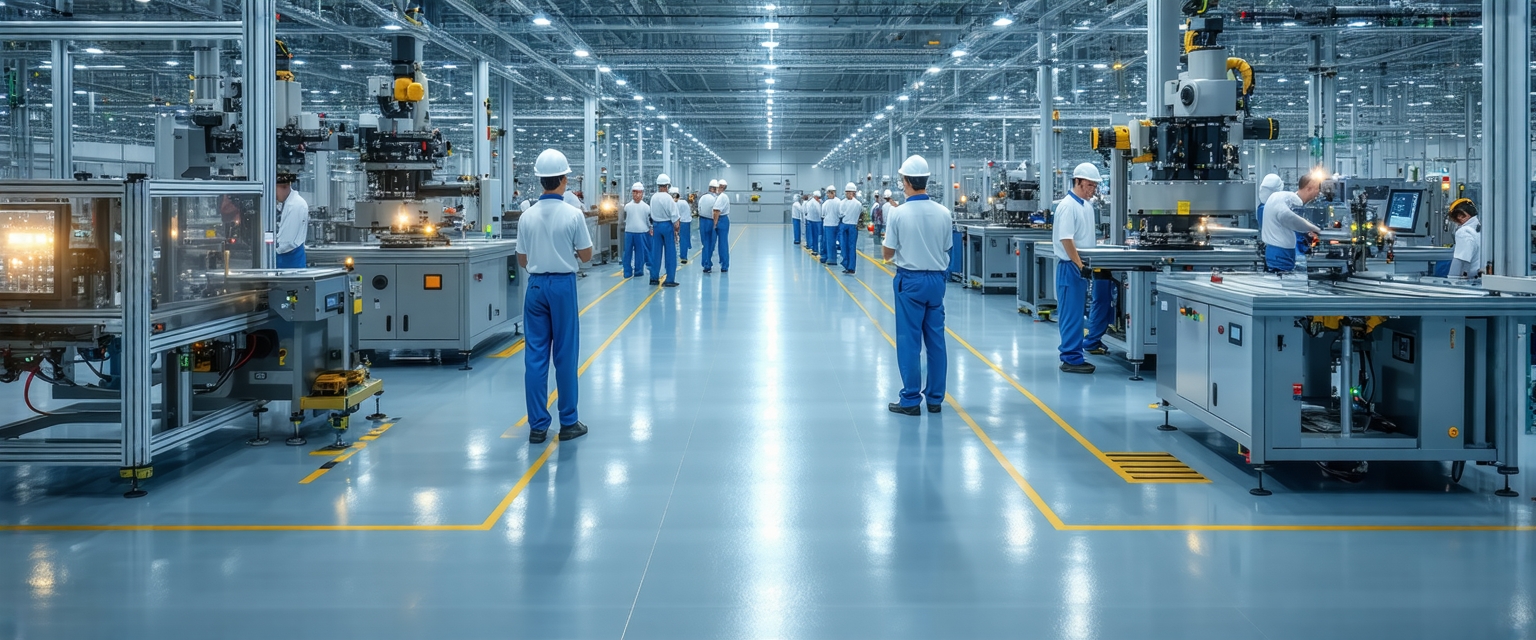
Smart manufacturing, the integration of advanced technologies into industrial processes, is rapidly transforming the manufacturing landscape. Driven by the need for increased efficiency, agility, and resilience, this evolution leverages data analytics, automation, and connectivity to optimize production and improve business outcomes. This transformation is impacting industries globally, prompting both exciting opportunities and significant challenges.
The rise of smart manufacturing is rooted in several converging trends. The increasing availability of affordable computing power and data storage, coupled with advancements in artificial intelligence (AI), machine learning (ML), and the Internet of Things (IoT), have created the technological foundation for sophisticated industrial automation.
Simultaneously, global competition and evolving consumer demands are pushing manufacturers to seek greater efficiency, flexibility, and responsiveness. The need for improved product quality, reduced waste, and enhanced sustainability further fuels the adoption of smart manufacturing practices.
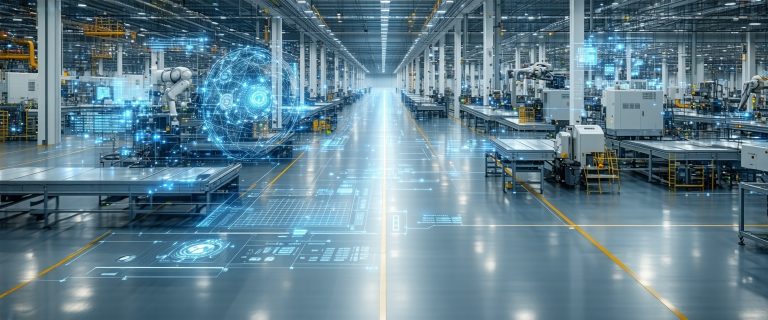
Recent developments in smart manufacturing focus on the expansion and refinement of existing technologies. The use of digital twins, virtual representations of physical assets, is gaining traction, enabling predictive maintenance and process optimization. AI-powered quality control systems are becoming more sophisticated, leading to reduced defects and improved product consistency.
Furthermore, the adoption of edge computing is accelerating, allowing for faster data processing and decision-making at the factory floor level. This reduces reliance on cloud connectivity and improves real-time responsiveness.
According to a report by Deloitte, “The adoption of smart manufacturing technologies is expected to significantly boost productivity and profitability for manufacturers in the coming years.” The report further highlights that companies leveraging these technologies are seeing an average increase of 20% in efficiency.
McKinsey & Company’s research indicates that companies that are advanced in their smart manufacturing adoption are significantly outperforming their less-advanced counterparts in terms of operational efficiency and profitability. This underscores the strategic importance of embracing these technologies.
While the opportunities are substantial, the transition to smart manufacturing presents challenges. High upfront investment costs, the need for skilled labor, and cybersecurity risks are significant hurdles.
Looking ahead, we can expect further integration of technologies such as extended reality (XR) for training and remote collaboration. The focus will shift towards more holistic approaches, incorporating sustainability metrics and circular economy principles into smart manufacturing strategies.
“`