

Unlock Data's Potential

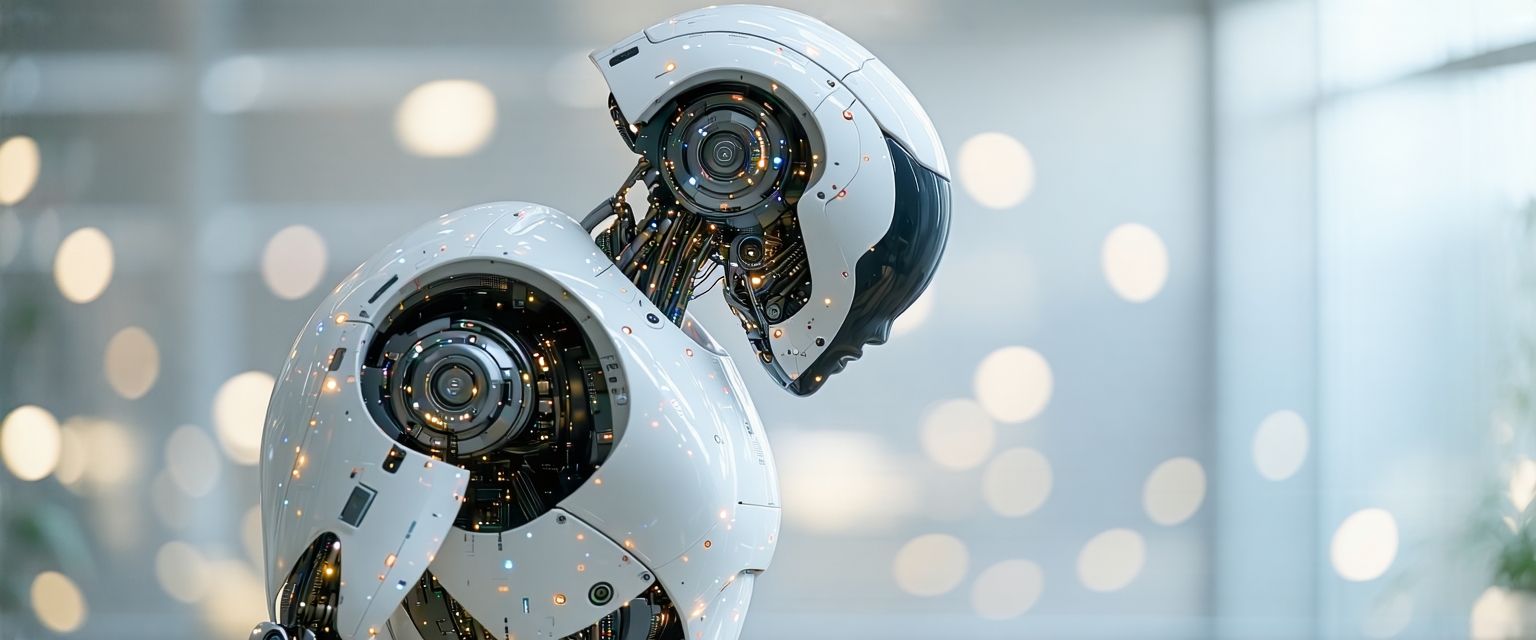
The field of robotics is experiencing a period of rapid advancement, with new breakthroughs constantly pushing the boundaries of what’s possible. Recent developments in areas such as machine learning, dexterity, and human-robot collaboration are poised to transform industries and daily life.
Traditional industrial robots were largely limited to repetitive tasks in controlled environments. Programming them required specialized expertise and significant time investment. However, recent progress in artificial intelligence and machine learning has begun to change this paradigm dramatically.
Researchers are developing robots with significantly improved dexterity and manipulation capabilities. Advances in sensor technology, coupled with sophisticated algorithms, allow robots to better perceive and interact with their surroundings. This includes more nuanced handling of objects, adaptability to unexpected situations, and improved collaboration with human workers.
Furthermore, machine learning is empowering robots to learn new skills from data, rather than relying solely on explicit programming. This allows for faster adaptation to new tasks and improved performance over time. We’re seeing the emergence of robots that can learn complex assembly procedures, navigate dynamic environments, and even assist in delicate surgical procedures.
These advancements have far-reaching implications across various sectors. In manufacturing, robots are becoming more versatile and collaborative, enabling more efficient and flexible production lines. In healthcare, robots are assisting surgeons, providing rehabilitation support, and offering companionship to patients. In logistics and delivery, autonomous robots are improving efficiency and reducing costs.
The future of robotics holds exciting possibilities. Researchers are focusing on developing more robust, adaptable, and intelligent robots that can seamlessly integrate into human environments. This includes advancements in areas such as AI safety, ethical considerations, and the development of robots with more human-like intelligence and cognitive capabilities.
“`