

Unlock Data's Potential

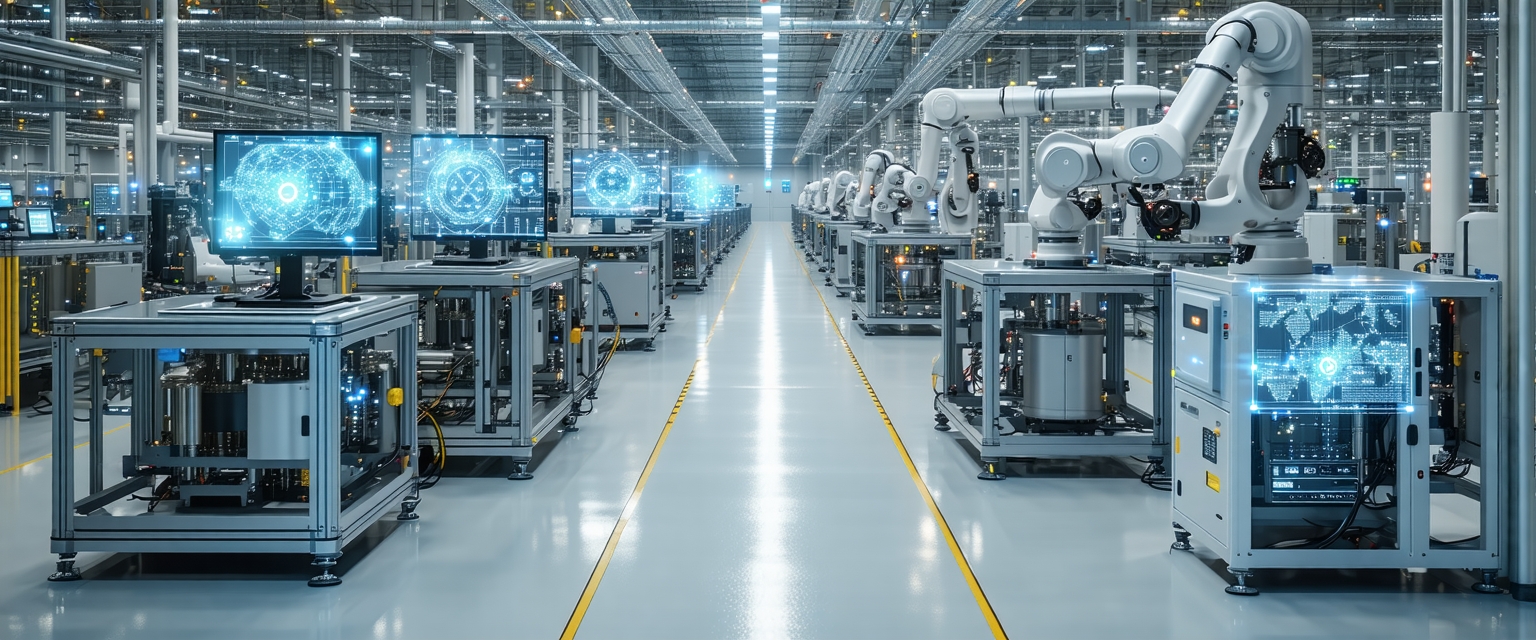
Smart manufacturing continues its rapid evolution, driven by advancements in artificial intelligence (AI), machine learning (ML), and the Internet of Things (IoT). These technologies are transforming how factories operate, leading to increased efficiency and productivity.
Traditional manufacturing relies heavily on manual processes and reactive maintenance, leading to inefficiencies and unplanned downtime. Smart manufacturing aims to address these challenges by integrating digital technologies to create a more connected and automated production environment. This involves collecting real-time data from machines, analyzing it to optimize processes, and predicting potential problems before they occur.
Recent years have seen significant investment in this area, with companies across various industries adopting smart manufacturing strategies. The integration of AI and ML is particularly noteworthy, enabling predictive maintenance, automated quality control, and more intelligent decision-making.
Recent developments include the rise of digital twins, virtual representations of physical manufacturing processes that allow for simulation and optimization before implementation. This drastically reduces the risk of errors and allows for faster prototyping. Furthermore, advances in edge computing are enabling real-time data analysis closer to the source, reducing latency and improving responsiveness.
The integration of collaborative robots (cobots) is also gaining momentum. Cobots work alongside human workers, enhancing productivity and safety by automating repetitive or dangerous tasks. This human-robot collaboration is crucial for a smooth transition to fully automated systems.
The impact of these advancements is already being felt across various industries. Companies are reporting significant improvements in efficiency, reduced production costs, and enhanced product quality. Smart manufacturing is also leading to more resilient and adaptable supply chains, better equipped to handle disruptions.
Beyond the economic benefits, smart manufacturing is contributing to a safer and more sustainable manufacturing environment. By reducing waste, optimizing energy consumption, and automating hazardous tasks, it promotes environmentally responsible practices.